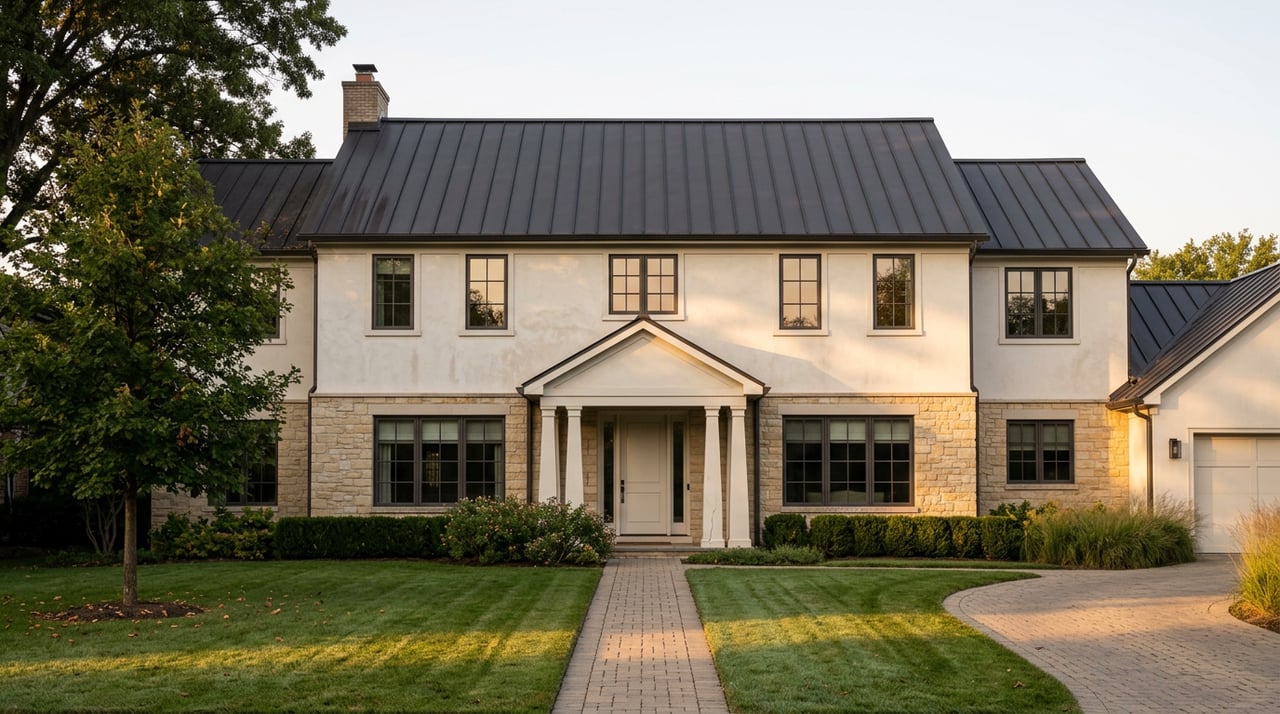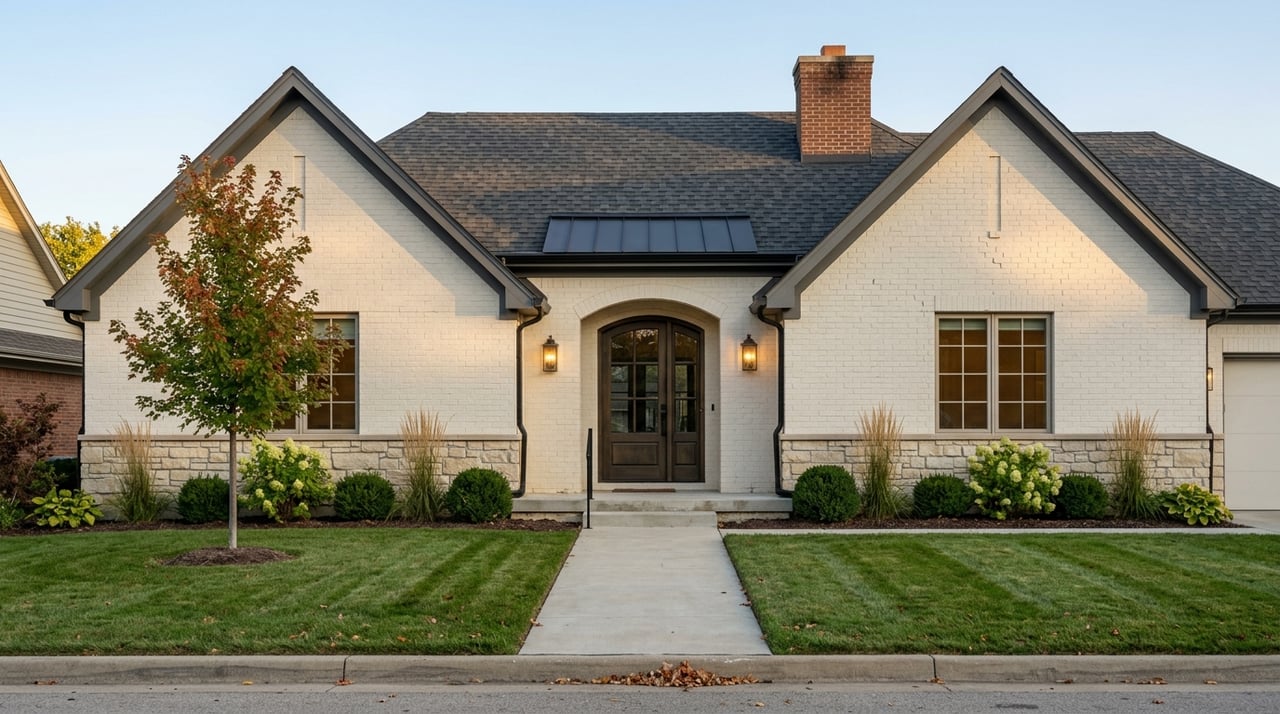
If you are house hunting in Parkville, you may notice something right away: this is not a one-style town. In one part of the city, you can find older homes near the historic core, while other areas offer wooded subdivisions, attached housing, and larger estate-style settings. That variety can feel exciting, but it can also make it harder to know where to focus your search. This guide will help you understand how Parkville’s home styles and housing settings fit together so you can shop with more clarity. Let’s dive in.
Why Parkville Feels So Varied
Parkville sits along the Missouri River in southern Platte County, about 10 miles northwest of downtown Kansas City. City sources show a 2025 population estimate of 9,093, up from 7,117 in the 2020 Census, which helps explain why buyers continue to compare it with other Kansas City area suburbs.
At the same time, Parkville does not read like a one-note suburb. Planning documents describe a community shaped by its river history, downtown and Old Town core, and Park University, with future growth expected to remain largely single-family while also adding mixed-use and other residential options in selected areas.
That means when you search in Parkville, you are not just choosing a house. You are often choosing between a historic setting, an established subdivision feel, or a newer development pattern with different lot sizes and housing types.
Historic Homes in Old Town
If you are drawn to character, older materials, and a more walkable street pattern, downtown and Old Town are the clearest places to start. Planning materials describe this area as predominantly single-family, but with home size, style, and age varying from block to block.
The historic core includes commercial and residential structures dating from the mid-1840s through 1960. Verified architectural styles in planning documents include Queen Anne, Folk Victorian, Foursquare, Early American, Neo-Eclectic, and Craftsman Bungalow.
In practical terms, this is the part of Parkville where you are most likely to find homes with architectural personality rather than a uniform subdivision look. Some properties may feel cottage-scale or bungalow-like, while others present a more formal historic design.
What gives Old Town its character
Local preservation language supports the idea of a historic downtown district with a strong focus on preserving and promoting the area’s identity. That helps explain why this part of Parkville often feels more renovation-sensitive and visually layered than newer neighborhoods.
Downtown zoning also plays a role. The downtown residential neighborhood is zoned R-4, which allows single-family, two-family, multifamily, apartment, lodging, and bed-and-breakfast uses, while the Old Town District is intended to preserve downtown character with mixed uses and retail at street level.
For you as a buyer, that means the historic core may feel more compact and mixed-use than a typical suburban subdivision. It can offer a different rhythm of living, with homes, commercial buildings, and civic spaces closer together.
Newer Homes and Growth Areas
If your wish list leans more toward newer construction, lower-maintenance options, or a more traditional neighborhood layout, Parkville has that too. Newer housing is concentrated west and southeast of downtown, especially along Highway 45, Route 9, and the I-435 corridor.
City neighborhood summaries show how varied these areas can be. Creekside is described as a nearly 300-acre development with single-family homes, townhomes, and apartments. The National includes stately homes, a golf course, and maintenance-free homes, while Parkville Heights and Pinecrest are established communities with convenient or wooded settings.
This is important because newer Parkville housing is not defined by one architectural style. Instead, it is often defined by housing type, neighborhood layout, and the setting around the home.
Attached and low-maintenance options
Many buyers assume Parkville is only about detached homes on larger lots, but city development records show a broader mix. Active or approved projects include duplex lots, detached home lots, triplex lots, cluster townhomes, and one- to three-story townhomes.
If you want a newer home with less exterior upkeep or a more flexible price point than a larger estate property, these housing types can create more options. They also show that Parkville’s growth pattern includes a wider range of living arrangements than many buyers expect.
Estate-Style Living in Parkville
On the other end of the spectrum, Parkville also has neighborhoods known for space, privacy, and natural surroundings. In this market, estate-style living is often shaped as much by terrain, trees, and lot pattern as by the architecture itself.
City materials describe The Bluffs as a wooded, bluff-top area with unique designs. Riss Lake is centered on a 134-acre lake and is noted for seclusion, while River Hills Estates features homes among large trees in winding hills. Thousand Oaks is framed around nature, community, trails, and nature reserves.
For buyers who want room to spread out, scenic surroundings, or a less conventional suburban lot layout, these areas stand out. They offer a different feel from both Old Town and more standard new subdivisions.
What “estate” usually means here
In Parkville, estate often means wooded, scenic, and lower-density more than it means one historic mansion style. Recent public development records reinforce that this segment remains active, especially in Thousand Oaks, where approvals include single-family homes and plats in The Estates at Thousand Oaks with dozens of lots on sizable acreages.
So if you are searching for an upscale property, it helps to think beyond square footage alone. In Parkville, the setting itself is often a major part of the value.
Is Parkville More Historic or More New?
The short answer is both. Downtown and Old Town anchor the city’s historic identity, while the west and southern edges include newer subdivisions, townhomes, and active residential plats.
That mix is one reason Parkville appeals to a wide range of buyers. You can find a home with older architectural detail, a newer attached option, or a larger property in a wooded setting without leaving the same city.
Parkville’s own planning language also points toward growth that aims to preserve the city’s character and small-town ambience while maintaining a mix of housing choices and open space. For you, that means the market is broad, but it still has a recognizable local identity.
What Budget Context Matters
Parkville’s owner-occupied housing market trends toward higher values. City and Census-based sources cited in the research report note a median owner-occupied home value of $573,500 and a median household income of $171,271.
That does not mean every home in Parkville looks the same or fits the same buyer profile. It does mean your search may span a wide range, from older homes in the historic core to newer attached housing and premium homes in wooded or estate-style neighborhoods.
If you are relocating or moving up within the Kansas City area, it helps to set your priorities early. Character, maintenance level, privacy, lot size, and access routes may matter just as much as the age of the home.
How to Narrow Your Parkville Search
When Parkville offers this much variety, your best first step is to define the kind of lifestyle and home setting you want. That can help you sort through options faster and avoid comparing homes that serve very different goals.
Here are a few useful questions to ask yourself:
- Do you want a historic home with distinct architectural style?
- Do you prefer a newer home in a developing or established subdivision?
- Would an attached home or lower-maintenance option fit your routine better?
- Are privacy, trees, trails, or a larger lot high on your list?
- Do you want to be closer to downtown Parkville, or near major roads like Route 9, Highway 45, or I-435?
Once you know the setting that fits your priorities, the search becomes much more manageable. Instead of viewing Parkville as one market, it helps to see it as several housing experiences within one city.
Whether you are looking for historic charm, a newer townhome, or an estate-style property with a scenic backdrop, Parkville offers a layered housing market that rewards local insight. If you want help narrowing your options and building a smart search strategy in Parkville or anywhere in the Kansas City metro, connect with Shawnna Murrell.
FAQs
Where are the most historic homes in Parkville?
- The clearest concentration of historic homes is in downtown, Main Street, and the Old Town core, where planning documents identify styles such as Queen Anne, Folk Victorian, Foursquare, Early American, Neo-Eclectic, and Craftsman Bungalow.
Are there newer homes in Parkville, Missouri?
- Yes. Newer housing is concentrated west and southeast of downtown, especially near Highway 45, Route 9, and the I-435 corridor, with options that include single-family homes, townhomes, and other attached housing types.
What does estate-style living mean in Parkville?
- In Parkville, estate-style living usually refers to wooded, scenic, lower-density settings such as The Bluffs, Riss Lake, River Hills Estates, and Thousand Oaks, rather than one specific architectural style.
Are there townhomes or attached homes in Parkville?
- Yes. City materials and development records show townhomes, duplexes, triplexes, apartments, and cluster housing in areas such as Creekside and other active or approved projects.
Is Parkville a good place to find both old and new homes?
- Yes. Parkville has a historic downtown and Old Town core, along with newer subdivisions and active development areas, which gives buyers a mix of home ages, lot types, and neighborhood settings.
What is the housing value context in Parkville?
- City and Census-based data in the research report show a median owner-occupied home value of $573,500, which reflects a market that includes historic homes, attached options, and premium wooded or estate-style properties.