If you love Mission Hills but feel like your home asks more from you than it gives back, you are not alone. Many owners reach a point where the space, upkeep, and carrying costs of a large estate no longer match how they want to live day to day. Downsizing can help you simplify without giving up the lifestyle and location you value most. Let’s dive in.
Why downsizing feels different in Mission Hills
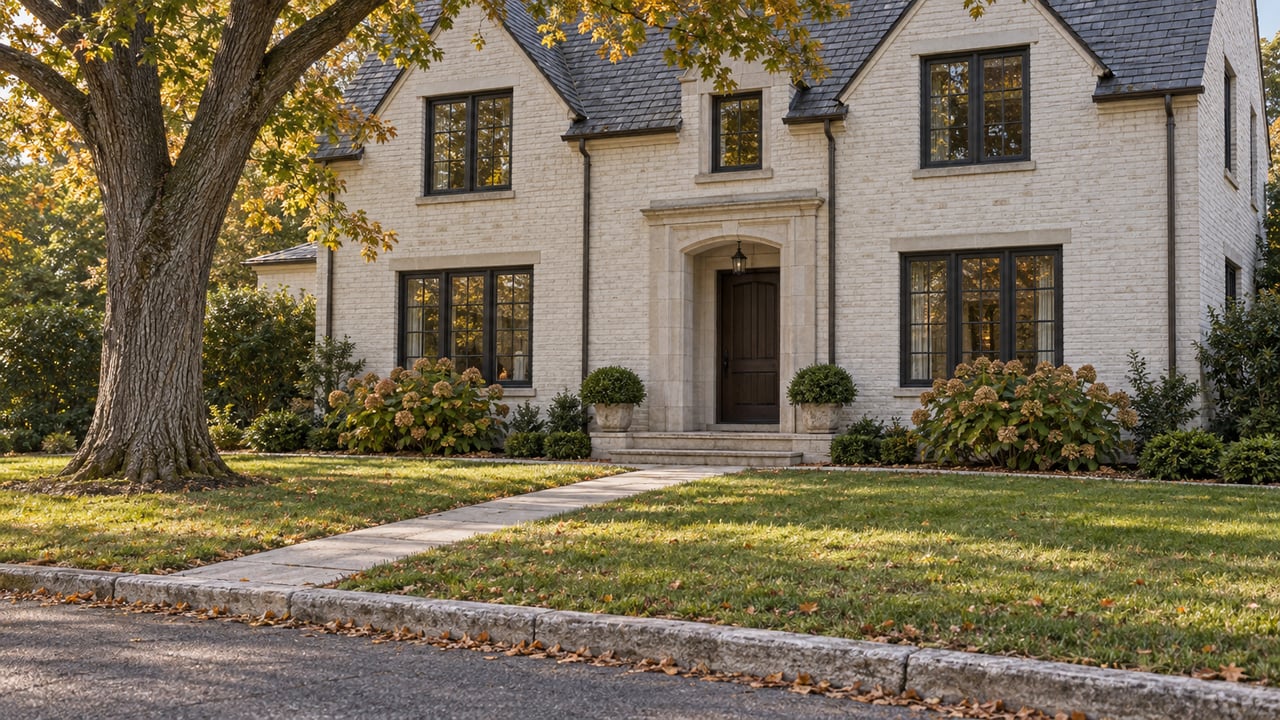
Mission Hills is not just another high-end neighborhood. The city describes itself as a garden community with stately homes, landscaped open space, and strong architectural character, and that shapes how many owners think about their next move.
For you, downsizing may not mean leaving the area behind. It may mean finding a home with less maintenance while staying close to the same routines, familiar streets, and nearby destinations in northeast Johnson County.
That local continuity matters. Mission Hills is positioned near the Country Club Plaza, the Village Shops in Prairie Village, and major cultural destinations, which makes it easier to focus on a home that better fits this season of life without giving up convenience.
Start planning earlier than you think
In Mission Hills, timing matters more than many sellers expect. If you are considering updates before listing, especially exterior work, the city says exterior alterations generally require Architectural Review Board approval before a permit can be issued.
That can affect your sale timeline in a big way. The city notes that substantial construction projects often move through a Professional Review Panel and then the ARB, with the ARB hearing often happening about five to six weeks after official submittal.
If your goal is to list in spring or early summer, it helps to begin planning well in advance. That gives you time to decide what work is worth doing, confirm whether permits are needed, and avoid delays that could push your listing back.
Understand the current Mission Hills market
Mission Hills sits in a high-value, low-inventory environment. Zillow reported a typical home value of $1,668,706 in Mission Hills as of May 31, 2026, up 11.1% year over year, with only 8 homes for sale on that date.
That kind of market can create opportunity if you are selling a well-positioned property. Limited inventory may work in your favor, especially when your home shows well and is priced with current conditions in mind.
At the same time, local tax and value trends deserve your attention. Johnson County’s appraiser projected residential values would rise about 5% to 7% in 2026, and the county says property is appraised at fair market value as of January 1, with Notices of Appraised Value mailed on or before March 1.
Look beyond sale price
Downsizing is often about freedom, but the financial side goes deeper than your list price. Johnson County explains that residential tax bills are based on the appraised value multiplied by the 11.5% residential assessment rate and then by the local mill levy.
That means your next home should be evaluated based on total carrying cost, not just purchase price. A smaller property may still come with meaningful taxes, dues, or maintenance costs, depending on the type of home you choose.
If you are comparing staying put versus moving, also review whether you may qualify for local relief programs. Johnson County notes that Kansas Homestead, SAFESR, Senior or Disabled Veteran refunds, and a 2026 pilot property tax relief program may be available for eligible homeowners.
Decide what kind of downsizing fits you
Downsizing does not have to mean condo living if that is not your style. In and around Mission Hills, the best fit often comes down to how much maintenance you want to keep, how important privacy is to you, and what monthly costs feel comfortable.
Villa or maintenance-provided home
A maintenance-provided home can reduce exterior upkeep and free up your time. That can be appealing if you want less responsibility for landscaping, snow removal, or exterior maintenance.
Still, it is important to review the full monthly picture. HOA dues are usually separate from your mortgage, and they can vary widely, so you will want to look closely at dues, what they cover, and whether special assessments are possible.
Luxury condo
A luxury condo can offer a strong lock-and-leave option. If travel, convenience, and simplified exterior maintenance matter to you, this path may be worth exploring.
Before you commit, review the condo association’s bylaws, reserve funds, insurance coverage, modification rules, rental policies, and any special assessments. Project-level issues can also affect financing eligibility, so those details should be part of your decision early.
Smaller single-family home
A smaller single-family home can be a smart middle ground. You may keep more privacy and yard space while reducing the overall scale of the house.
This option can work especially well in a community like Mission Hills, where development patterns vary. Just remember that if you plan future exterior improvements, local design review and permit rules still apply.
Prepare your estate home for market
When you sell a high-value home, preparation is rarely about doing everything. It is about doing the right things in the right order.
Johnson County’s appraiser says value is influenced by location, topography, size, shape, quality, replacement cost, age, condition, and comparable sales. In practical terms, that means the best pre-listing work is usually the work that improves visible condition, reduces inspection concerns, or better aligns your home with recent comparable properties.
Audit permits before you list
One of the easiest issues to overlook is permit history. Mission Hills says that before a new permit can be issued, any expired or outstanding permits must pass final inspection.
A permit audit can help you avoid surprises later. It can also make disclosures, inspections, and buyer due diligence smoother, which matters when buyers are making major decisions at a high price point.
Be strategic about exterior projects
Not every improvement is worth the time or cost before selling. In Mission Hills, that is especially true when visible exterior changes may require approval and permits.
If you are considering work on roofing, fences, additions, or other exterior features, plan ahead. The goal is not to over-improve. It is to make smart updates that support marketability without creating avoidable delays.
Use local decluttering tools
Downsizing almost always begins with less stuff. Mission Hills offers a few local tools that can make that process easier.
The city says permits are needed for garage, estate, and moving sales. It also provides heavy household item pickup every spring and fall, which can be helpful when you are clearing out furniture, household overflow, or long-stored items before staging.
Think about taxes before you move
For many longtime owners, taxes are one of the biggest reasons to start planning early. If your property has appreciated significantly, you may have important questions about capital gains.
The IRS says a primary residence sale may qualify for a gain exclusion of up to $250,000 for single filers or up to $500,000 for many joint filers if ownership and use tests are met. If the gain is not fully excluded, or if a Form 1099-S is issued, the sale must be reported.
In Mission Hills, where values are high, some sellers may exceed those exclusion amounts. That does not mean downsizing is the wrong move, but it does mean tax planning should be part of your timeline rather than an afterthought.
Build a downsizing plan that protects your options
A smooth downsizing move usually comes from having a plan before the sign goes in the yard. That plan should cover both sides of the move: how to position your current home for sale and how to choose the right next home for your needs.
A simple framework can help:
- Define what you want less of, such as stairs, yard work, unused rooms, or project-heavy maintenance
- Define what you still want to keep, such as location, privacy, guest space, or lock-and-leave convenience
- Review likely carrying costs for your next home, including taxes, insurance, dues, and maintenance
- Check whether any pre-listing work may trigger Mission Hills ARB review or city permits
- Review permit history and outstanding project status at your current home
- Plan decluttering, estate-sale or moving-sale logistics, and heavy-item removal early
- Talk with a tax professional if you may have significant gain on the sale of your primary residence
When you approach downsizing this way, the move becomes less emotional and more strategic. You can make decisions with clarity instead of rushing under pressure.
The right move can keep the lifestyle
For many Mission Hills owners, downsizing is really about realigning your home with your life. You may want less upkeep, lower day-to-day responsibility, or a more flexible layout, while still staying connected to the places and routines you enjoy.
That is why local strategy matters. In a community with distinct design standards, premium values, and limited inventory, your next step deserves careful planning and experienced guidance.
If you are thinking about selling your Mission Hills estate and want a smart plan for what comes next, connect with Shawnna Murrell for personalized guidance on timing, pricing, and your best downsizing options.
FAQs
When should you start planning a downsizing move in Mission Hills?
- You should start before you renovate or list, especially if exterior work may require Mission Hills ARB review, permits, or extra lead time.
How do Mission Hills design rules affect selling prep?
- Exterior alterations generally require ARB approval before a permit is issued, so visible pre-listing projects should be planned early to avoid delays.
What makes downsizing costs different from just buying a cheaper home?
- Your total cost should include property taxes, insurance, HOA dues if applicable, maintenance, and any possible special assessments, not just the purchase price.
What should you review before buying a condo or villa near Mission Hills?
- Review dues, reserve funds, insurance coverage, bylaws, modification rules, rental policies, financing factors, and any current or pending special assessments.
How are property taxes calculated for a home in Johnson County?
- Johnson County says residential tax bills are based on the appraised value multiplied by the 11.5% residential assessment rate and then by the local mill levy.
What local details are easy to miss during a Mission Hills downsizing move?
- Commonly missed steps include checking permit history, planning for estate-sale or moving-sale permits, and using the city’s spring or fall heavy-item pickup for decluttering.