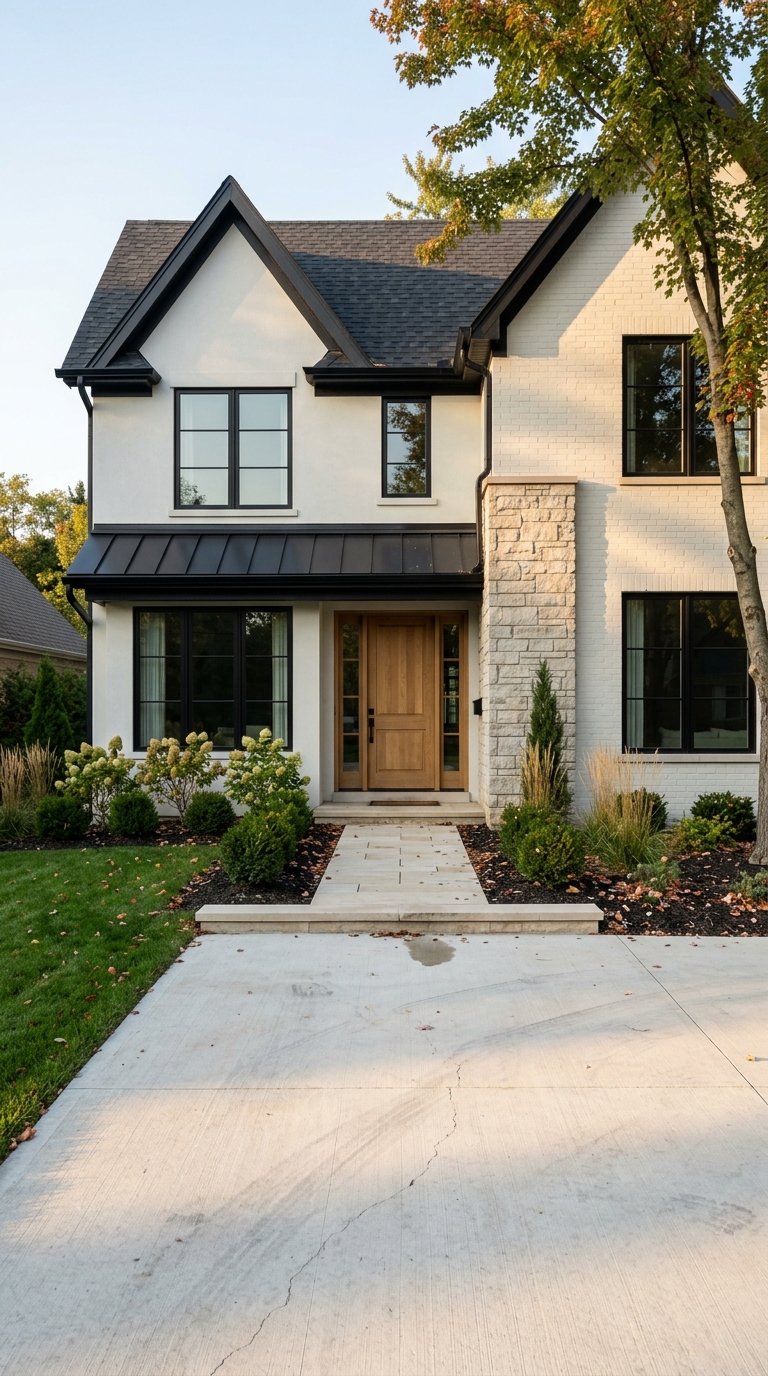
If you are torn between the charm of an older Leawood home and the polished feel of newer construction, you are not alone. Many buyers love Leawood for its established setting, strong daily convenience, and wide range of home styles, but deciding which part of the city fits you best can still feel tricky. The good news is that once you understand how Old Leawood and newer Leawood differ in layout, lot patterns, architecture, and lifestyle, your search gets much clearer. Let’s dive in.
Where Old and New Leawood Begin
In common local use, Old Leawood usually refers to the city’s original north-side core. According to the City of Leawood history page, the early land that became present-day Leawood was assembled between 79th and 103rd Streets and State Line and Belinder Roads, with the city later incorporating in 1948.
By contrast, newer Leawood is less about one strict boundary and more about the city’s southern growth and redevelopment pattern. The city notes that much of its recent planning activity is focused south of 135th Street, including projects like Waterford at Leawood, which helps explain why many buyers use “newer Leawood” as shorthand for the south side.
Old Leawood Home Styles
Old Leawood tends to carry more of the area’s postwar identity. A Johnson County historic survey describes common styles from that era as Minimal Traditional homes and Ranch homes, with simple lines, low-pitched roofs, and practical one-story layouts in many cases.
That older housing stock is a big part of the neighborhood appeal. You may find rectangular floor plans, attached garages, and homes that sit comfortably on larger, more established lots than what you often see in newer subdivisions.
Mid-century character stands out
If you like homes with original personality, Old Leawood often delivers that feeling. Ranch homes from the 1950s are especially associated with the area, and many buyers are drawn to their broad footprints, straightforward design, and mature setting.
Some homes still reflect much of their original design. Others have been extensively updated, blending mid-century structure with modern finishes and more functional everyday living.
Remodels change the interior feel
One of the biggest surprises for buyers is how different older homes can feel on the inside. Current examples in Old Leawood include 1950s ranch homes on lots of more than half an acre, with many remodeled to include open living areas, larger kitchens, and updated primary suites.
That means you are not always choosing between “old house” and “new house.” In many parts of Old Leawood, you may find a home with vintage curb appeal and a much more current interior layout.
Newer Leawood Home Styles
Newer Leawood generally leans toward more recently built homes, villa products, and development patterns shaped by modern planning. Recent city planning materials show projects with single-family homes, twin villas, and multi-unit residential buildings in the southern part of the city, reflecting a broader mix of newer housing formats.
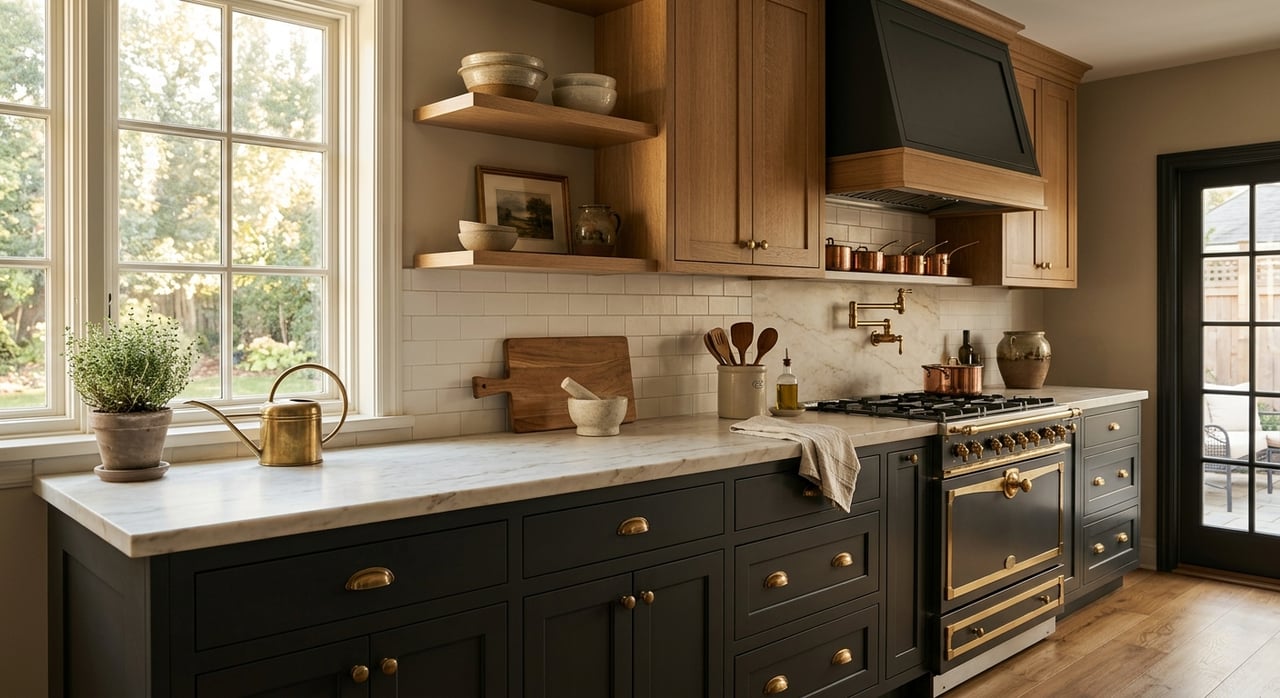
Inside the homes, the design language often feels more current from the start. You are more likely to see reverse 1.5-story plans, open-concept great rooms, oversized kitchen islands, and storage features like butler’s pantries in newer listings and development patterns.
Floor plans feel more standardized
In newer Leawood, homes often follow more consistent subdivision layouts and contemporary buyer preferences. That can be a plus if you want a home designed around today’s expectations for open gathering space, larger kitchens, and easy main-level living.
This part of the city may appeal to you if you prefer less renovation uncertainty. Instead of wondering what has been updated over time, you are often looking at a home built with a more current floor plan from day one.
Lots may be smaller but more uniform
Lot size is one of the clearest differences between old and new Leawood. The city’s development ordinance shows that Leawood is not built on one uniform lot pattern, but older areas often feature larger or more irregular lots, while newer sections tend to follow more standardized subdivision forms.
Recent newer-home examples and city planning activity suggest lots around 0.3 to 0.4 acres are common in newer areas. That may still feel spacious, but it creates a different experience from the half-acre-plus lots that show up more often in parts of Old Leawood.
Comparing Streetscape and Curb Appeal
Home style is not just about the house itself. It is also about how the street feels when you drive in, walk around, or pull into the driveway after work.
Older Leawood often offers mature trees, established streets, and lot patterns that feel less repetitive. Newer developments may have a more polished and planned look, including features like wider tree lawns in some areas, which the city notes are often about 10 feet wide in newer developments.
Old Leawood feels more established
If you value a neighborhood setting that has had decades to mature, Old Leawood may feel more natural to you. The combination of larger lots, older trees, and varied architecture can create a more layered streetscape.
For some buyers, that visual variety is the draw. No two homes feel exactly the same, and that individuality can be a major part of the appeal.
Newer Leawood feels more polished
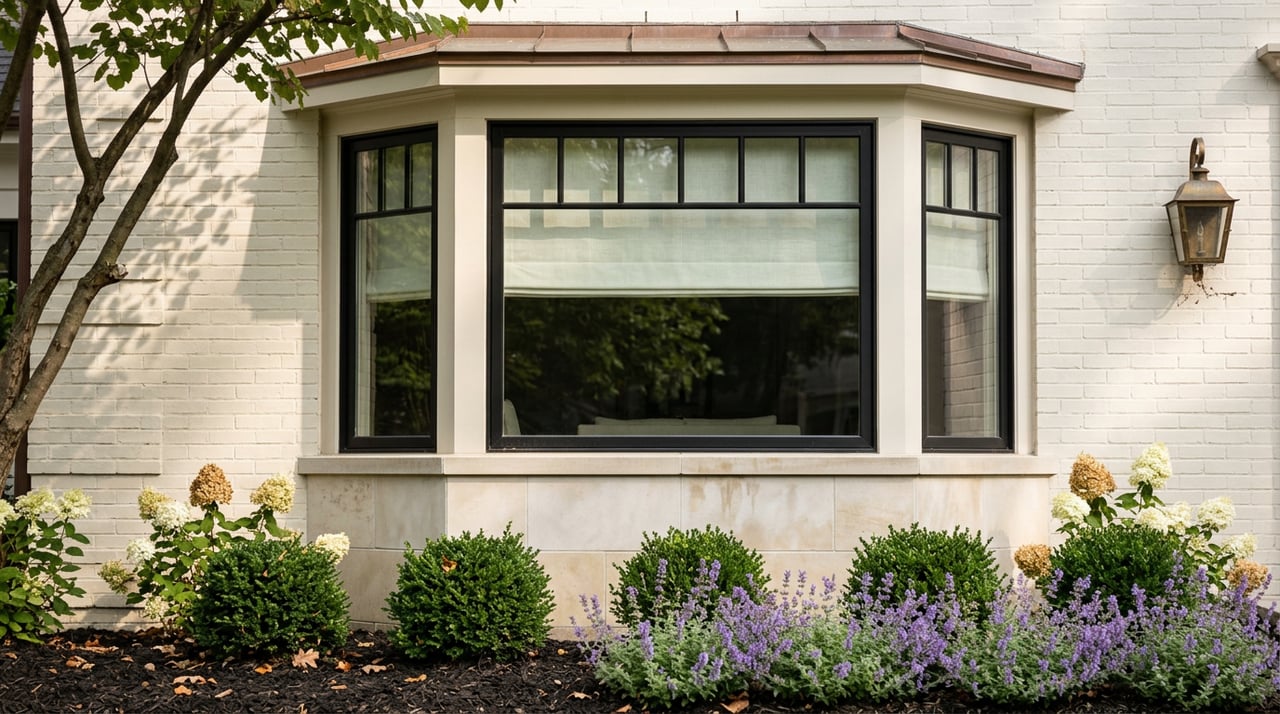
Newer Leawood can feel cleaner and more uniform from block to block. For buyers who like cohesive streetscapes and modern exterior design, that consistency may feel easier to picture and maintain.
It also helps some buyers feel more confident about what to expect from the surrounding homes. When a neighborhood has been built more recently, the overall visual style is often more predictable.
Lifestyle Differences Across Leawood
The choice between old and new Leawood is not only about architecture. It also shapes how close you may be to parks, trails, shopping, and key commuter routes.
Leawood describes itself as a north-south community of about 14.7 square miles, roughly 10 miles southwest of downtown Kansas City, with Interstate 435 crossing through the city. Since about 75% of the city’s land area is already developed, location within Leawood can matter as much as the home itself.
Old Leawood and northern park access
Leawood’s parks system includes six parks, one greenway, and an 8.2-mile trail system, so outdoor access is part of the citywide lifestyle. In and around the older core, City Park and Tomahawk Park are key anchors, connected by the 4.1-mile Tomahawk Creek Trail.
If trails and established park connections matter to you, this part of the city may stand out. The northern network gives many buyers easy access to recreation woven into the surrounding residential areas.
Newer Leawood and southern amenities
South and mid-Leawood have their own strong amenity story. I-Lan Park, Gezer Park, and Ironwoods Park bring a different feel, with Ironwoods offering 115 acres, trails, cabins, the Prairie Oak Nature Center, and the Historic Oxford Schoolhouse.
For shopping and dining, newer Leawood is often more closely tied to Town Center Plaza, Town Center Crossing, and Park Place. According to Town Center, the combined centers offer more than 100 retailers, restaurants, and experiences, while Park Place adds entertainment and outdoor gathering spaces.
Which Home Style Fits You Best?
The best fit depends on how you want your home to live day to day. Neither side of Leawood is automatically better. They simply solve for different priorities.
If you want lot variety, mature surroundings, and the possibility of a remodeled mid-century home with character, Old Leawood may be the stronger match. If you prefer a more current floor plan, newer finishes, and proximity to southern retail and redevelopment areas, newer Leawood may feel easier to align with your goals.
Questions to Ask During Your Search
Before you choose between old and new Leawood, it helps to compare homes through a practical lens. Here are a few smart questions to keep in mind:
- Do you want a home with original character or a more turnkey layout?
- How important is lot size to your daily lifestyle?
- Do you prefer mature streets and established landscaping or a more uniform neighborhood feel?
- Would you rather be closer to northern parks and trails or southern shopping and mixed-use centers?
- Are you open to remodeling, or do you want newer design features already built in?
When you tour with these questions in mind, you can compare homes more clearly and avoid getting distracted by surface-level finishes alone.
Choosing between Old Leawood and newer Leawood is really about matching your priorities to the part of the city that supports them best. If you want help comparing neighborhoods, lot patterns, or home styles in Leawood, Shawnna Murrell can help you narrow the options and move forward with confidence.
FAQs
What is considered Old Leawood in Leawood, Kansas?
- Old Leawood usually refers to the city’s original north-side core, generally tied to the early land area between 79th and 103rd Streets and State Line and Belinder Roads.
Are homes in Old Leawood usually on larger lots?
- Not always, but older Leawood homes more often sit on larger or less uniform lots than homes in newer development areas.
What home styles are common in Old Leawood?
- Old Leawood is commonly associated with postwar Minimal Traditional and Ranch-style homes, many of which have also been updated over time.
What home styles are common in newer Leawood?
- Newer Leawood often features more recent single-family and villa-style housing with open layouts, reverse 1.5-story plans, large kitchen islands, and other modern design elements.
Is newer Leawood closer to shopping and dining?
- In many cases, yes, especially if you want easier access to Town Center Plaza, Town Center Crossing, Park Place, and southern growth corridors.
Does Old Leawood have good park and trail access?
- Yes, Old Leawood is close to established amenities like City Park, Tomahawk Park, and the Tomahawk Creek Trail network.